
A Classical Take...

Benjamin Zander’s TED Talk on the transformative power of classical music really resonated with me, especially considering my personal background with music. I’ve always been surrounded by classical music. My uncle, a classically trained pianist, and my grandfather, an opera lover, both introduced me to the genre at a young age. I also took ballet for two years, violin for a year and my little sister is a classically trained pianist. Classical music has always felt like a part of my life, but Mr. Zander’s perspective helped me appreciate it in a deeper, more emotional way.
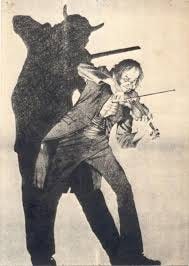
What struck me the most was Zander’s discussion about the emotional quality of music. He speaks about how music isn’t just something to understand or intellectualize; it’s a powerful force that taps into our deepest emotions. This was nothing new to me, as music has always made me feel deeply. When I listen to composers like Niccolò Paganini and Beethoven, I feel as though they’re breaking rules and pushing boundaries.
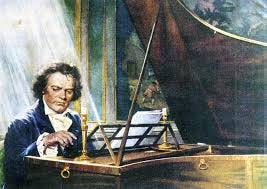
Beethoven, in particular, has always amazed me because you can hear the sense of frustration and urgency in his compositions, knowing that he was losing his hearing as he composed. He gave everything he had to each piece because he didn’t know when his hearing would be gone for good. Mozart, on the other hand, often felt more jolly and celebratory, but Beethoven’s music is a raw expression of his struggles, triumphs and emotions all in one composition.
Classical music has always moved me emotionally, which is why I strongly agreed with Zander’s assertion that it is universally accessible. Music operates as a language beyond culture or intellect because it communicates directly through emotion. For me, classical music consistently evokes a visceral emotional response whether in a concert hall, a ballet studio or through film. I often find myself emotionally affected by cinema, and classical compositions integrated into film have a unique ability to intensify emotional depth and atmosphere. Most recently, Berliner Messe by Arvo Pärt left a particularly profound impression on me. The spiritual and emotional weight of the piece feels almost transcendent, transforming listening into something far greater than passive entertainment.
Ultimately, Zander’s talk reinforced something I had always intuitively understood but had not fully articulated: classical music is not merely about technical composition or performance. It is about emotional transmission. It is about what happens psychologically, spiritually and emotionally when sound becomes powerful enough to communicate what language often cannot. For me, music has always functioned as a bridge to emotion, memory and reflection, and Zander’s talk clarified why classical music continues to hold such enduring emotional power across generations.
References: